Essay · November 2026 · 11 min read
Are we asking the right questions?
I have signed up for lots of newsletters and Medium publications, and I follow a few very interesting people on Substack and on Twitter (I still refuse to call it X), all to try and stay on top of the what's-new cycle, or the so-called hype cycle. I said I try. Even for a chronically online being like me, it's not really possible to consume it all.
And haven't we all seen the posts about the designer shift? We need designers who ship. Design engineers, AI designers, Figma's AI model designer, etc. etc. Designers with visual taste and shipped products, yada yada. But what do they mean in real? That design is shifting: the craft, the competence, the expectations.
These posts name the shifts in what a designer is valued for, and I agree with much of them. I might even be influenced by them, knowingly or unknowingly. But I still feel something is missing, about the future of design as something we consume, and of designers as a profession.
What I feel is missing are the questions that hold still. Their positions shift every few months. Mine do too. That tells me we are reacting to what we see, not answering the questions right. That's fine as well, but I have much of my life ahead of me, and I would love to have some plans. So my argument here is not about which answers about the future are right or wrong. It's about whether we are asking the right questions. Here is what I see, and the questions it leaves me with.
From where I see it
I'll start with my own work. I don't touch Figma in the same terms I did a year ago. I no longer fuss about layer names or auto layout. I still care that my variables and styles are used consistently and that the design is functional, but the technical side, layer hygiene, prototyping pointers, making stateful design components, I just make AI take care of it.
Since MCPs came along (the connectors that let an AI agent work inside other apps), I hand many manual tasks to AI: making Asana tasks, organizing my desktop, restructuring folders, pulls and pushes on GitHub. The small act of selecting three documents, right-clicking to copy, navigating to another folder and pasting is now just a matter of choice, one I'm increasingly making with my AI. I don't even know how my portfolio is coded word for word, though I still know my way around its codebase. When I need to check something, I ask for a static screen to see and verify. I could see me training my AI to dish out information sometimes like a chat, sometimes like a visible interface, sometimes like an application.
And the more distant I get from code, the more my attention shifts to behaviour: constantly defining instructions, flows and tools for AI agents, making policies, then training and diagnosing them.
It isn't just me. I see more and more people who would generally never have touched code getting comfortable with the alien idea of coding: researchers from psychology or pedagogy, designers like me or on my team, product and process managers and personelle form operations.
My leading data point is a workshop I led a few days ago on using Claude Code, or any AI agent, to make videos. Not gen-AI black-box videos, but real motion graphics, or editing their own photos and clips into videos. My audience was everyone from my office, from all sorts of engineering and non-engineering backgrounds, people who by default wouldn't know what Node or even code is. They showed up and ended up making really fun, awesome coded videos with LIVE, the workspace I made in three months, dogfooded in my own team and then extended across LEI, the Learning Engineering Institute at ASU, where I work. Then they extended it with their own API keys, their own images, and all things nice. Before, that would have taken a coder, or a video editor with Adobe subscriptions or similar. They didn't know or care how LIVE is created or configured, and when they wanted to see how a video was actually made, they peeked into the code.
I know a colleague who created a simple personal email assistant for herself. She doesn't sort her emails anymore, and doesn't open her Gmail or Outlook as often. She just asks her bot, hey, is there anything new, or anything I was expecting? Only then does she open Gmail or Outlook, and that's for novelty.
The makers are going the same way, since we creators are users for someone else too. Figma just wrote about training its own editing model, and how they got a smaller open model like Llama 70B to do wonders with their tool. And about 90% of Claude Code's code is written by Claude Code itself. The people who build these tools are living the same shift as the people who use them.
The agents will become the interfaces
Put together, this is how I see it. Our AI agents can now speak the language any computer understands, reverse-engineer proprietary software, and bring it to the users. In a matter of time, these agents will become the interfaces, and everything else will be peripheral.
That puts the people hyping very beautiful websites and UI products in a spot. If I let MCPs or AI agents connect to a product, why would a user leave their already-working surface to learn the app I made, and then return to their working surface? They will use the connection, do what they need and get off, like I do in many cases, and like I see people doing. Digital beauty keeps its value where it gives the user a feeling of elation or joy, some necessary sensation with a recurring value, like games or pieces of art. Even then, make something so beautiful that people are compelled to see it, and their AI will rip it off and make it for them to enjoy. That's good for the user, but not necessarily for the creator who spent the time and resources, if getting ripped off was never their intention. With LIVE, I made that choice myself: I don't gatekeep. I give people the code and let them extend it.
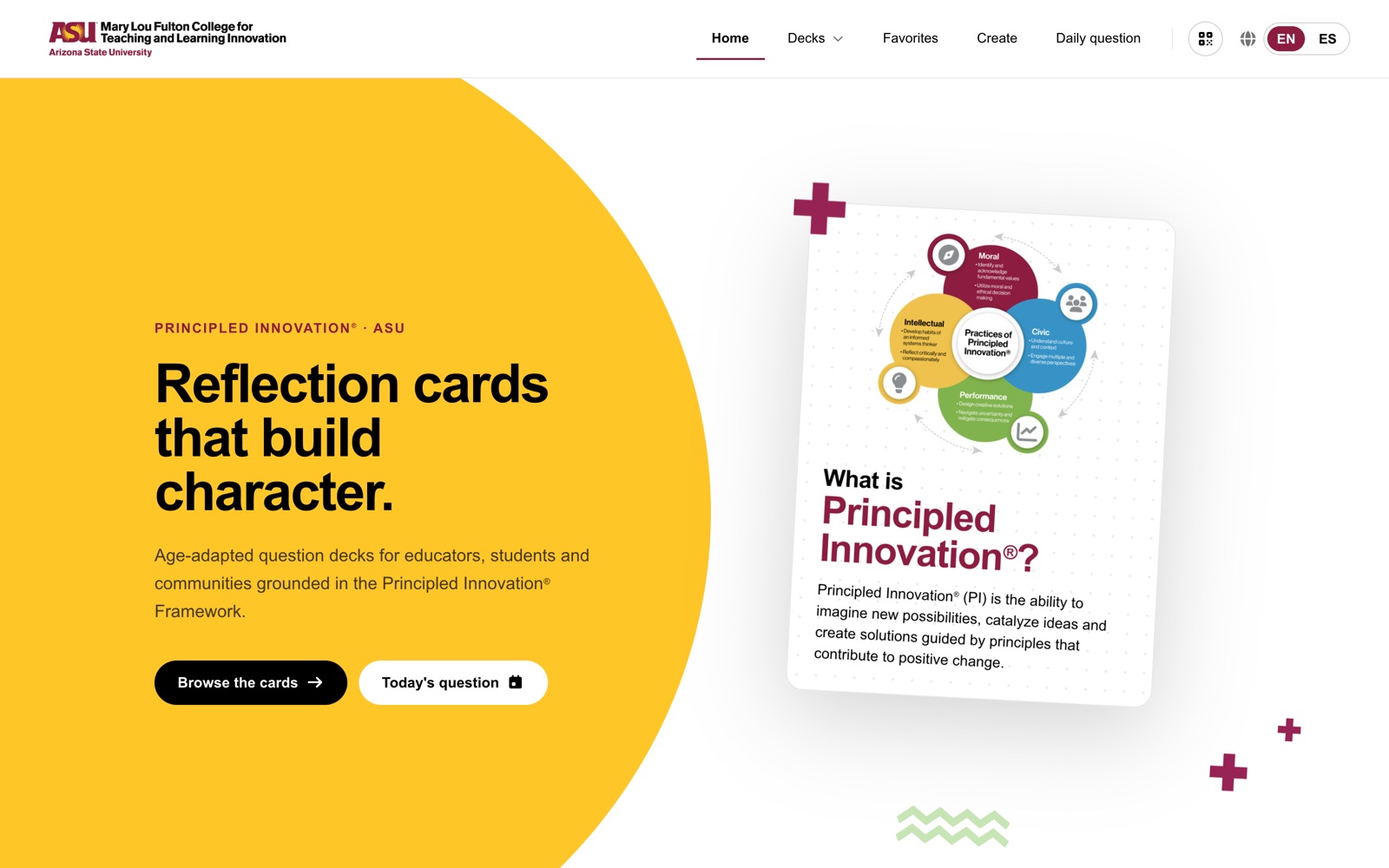
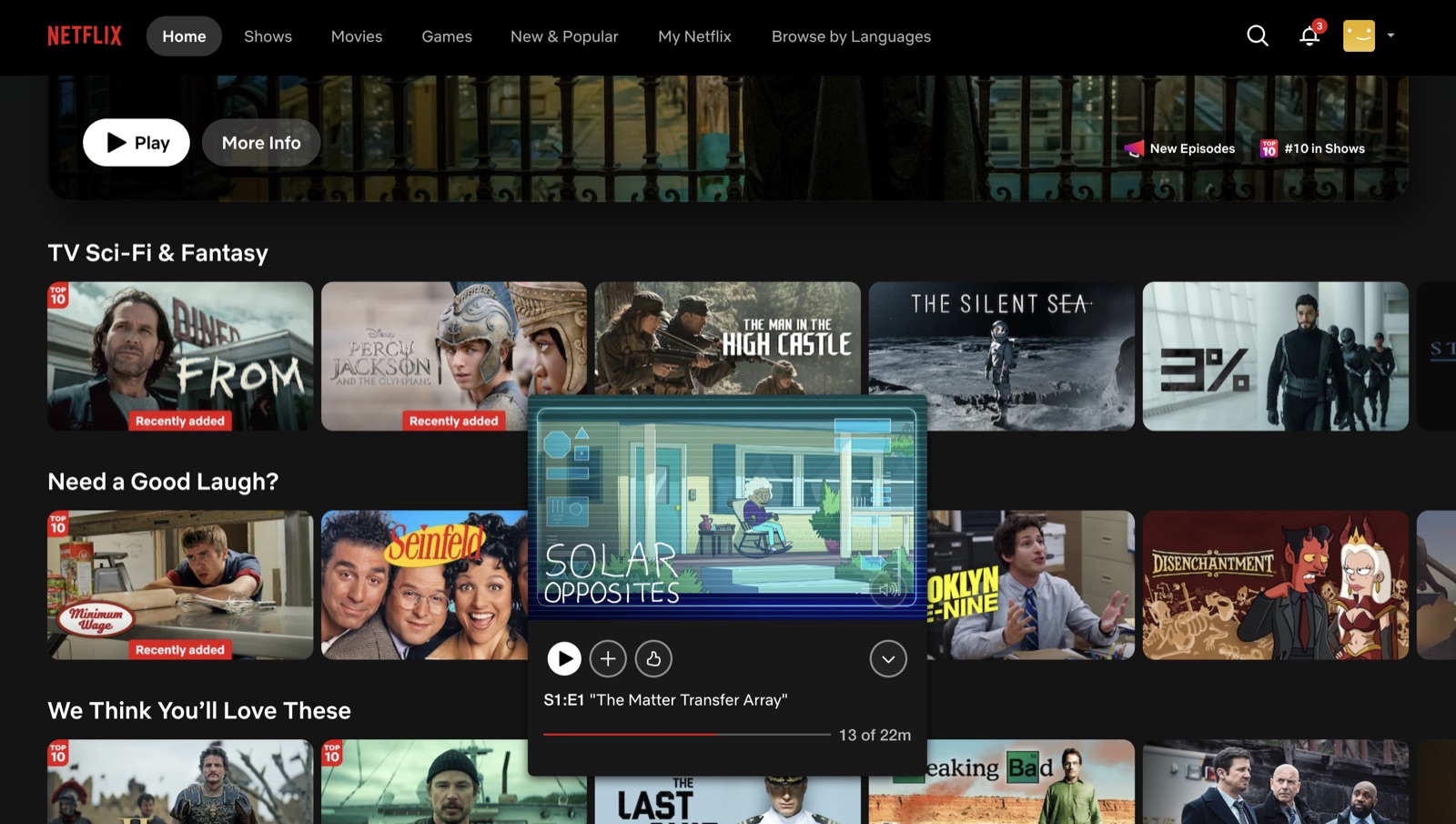
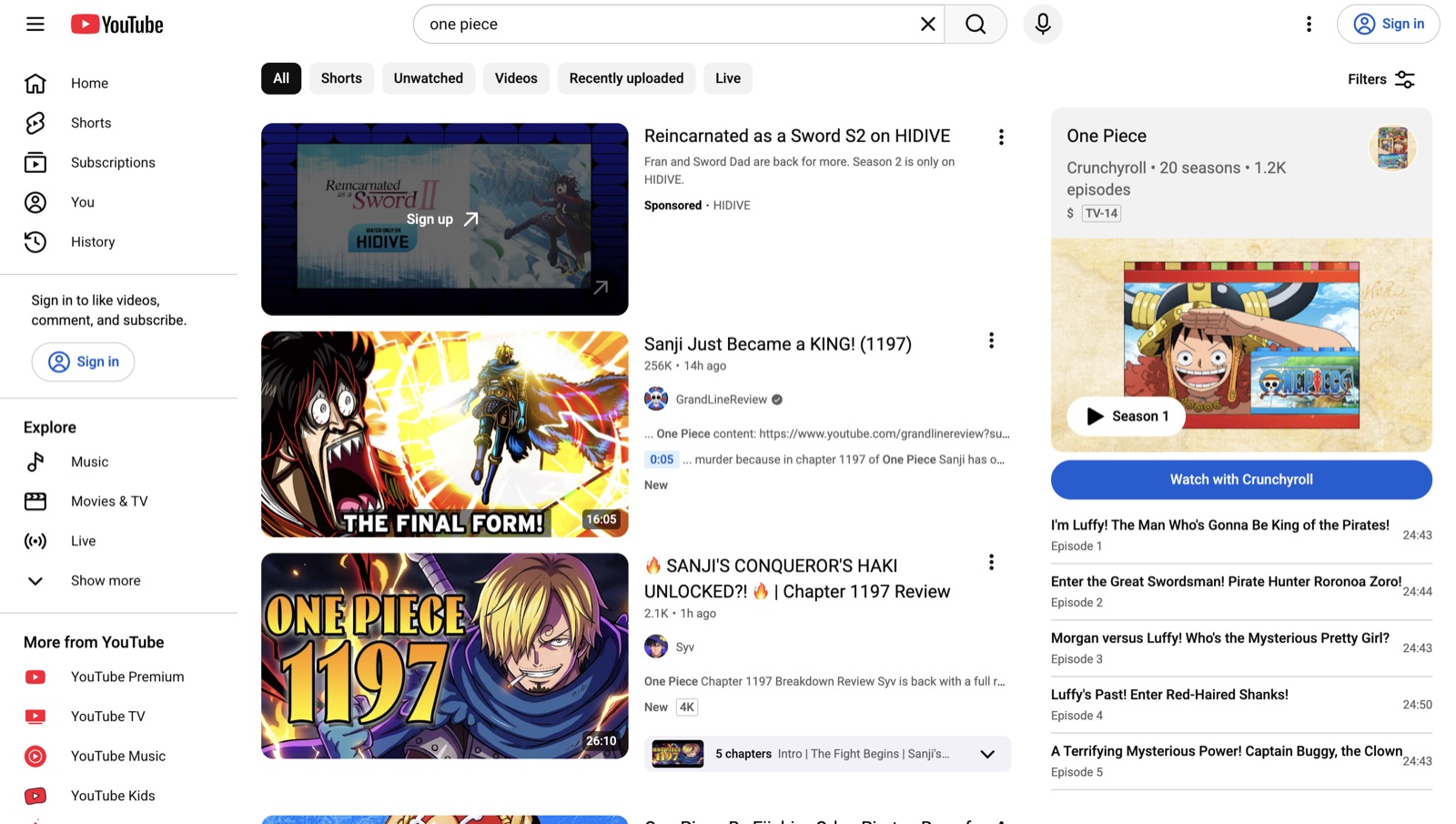
So taste doesn't disappear or stop mattering, but it becomes proportional to what demands taste. Not all software or interfaces demand the same taste. Think of Netflix, or any streaming platform. They are very highly used and consumed digital products, but their interfaces are simple: tiles and menus, a wall of thumbnails arranged so people can do just two or three key tasks and then consume. Sure, Netflix can round the corners as it wants, or add backgrounds to the cards, but that doesn't change the core nature of the product. YouTube's interface is tied to what kind of interaction one does there: commenting, reacting, sharing, or just searching for videos. That's a product of real functionality, not of visual taste, which enters the argument only for button colours or curvatures. Increasingly, software is going towards simple UIs and functional systems that our AI agents can then augment as much as you want.
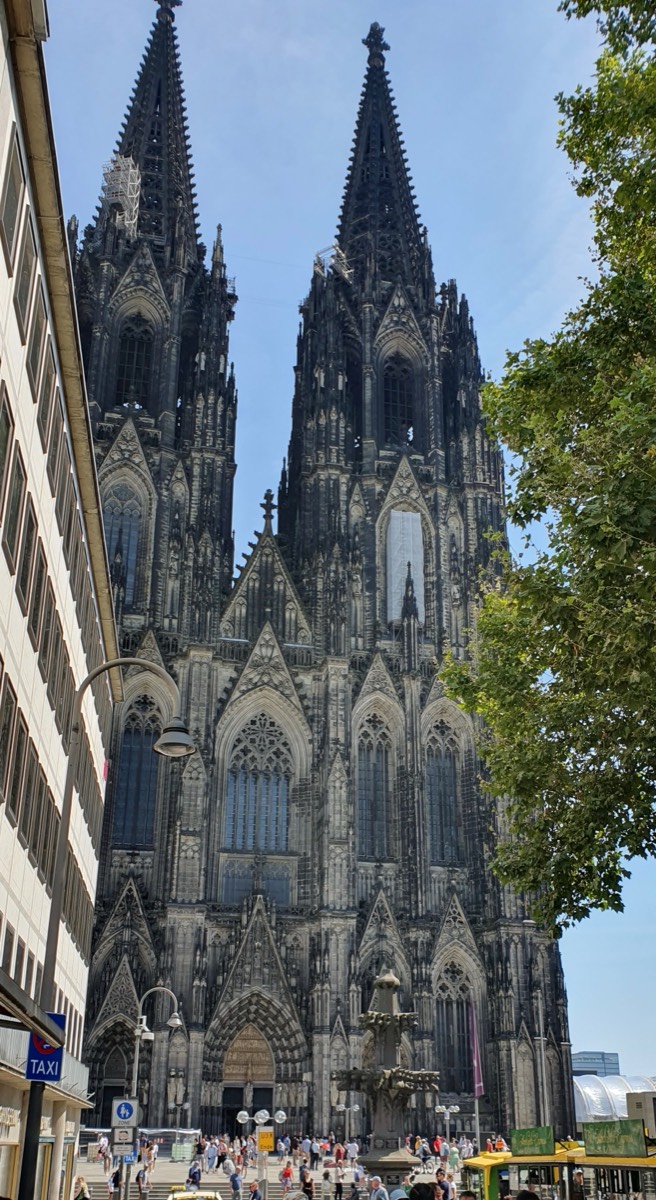
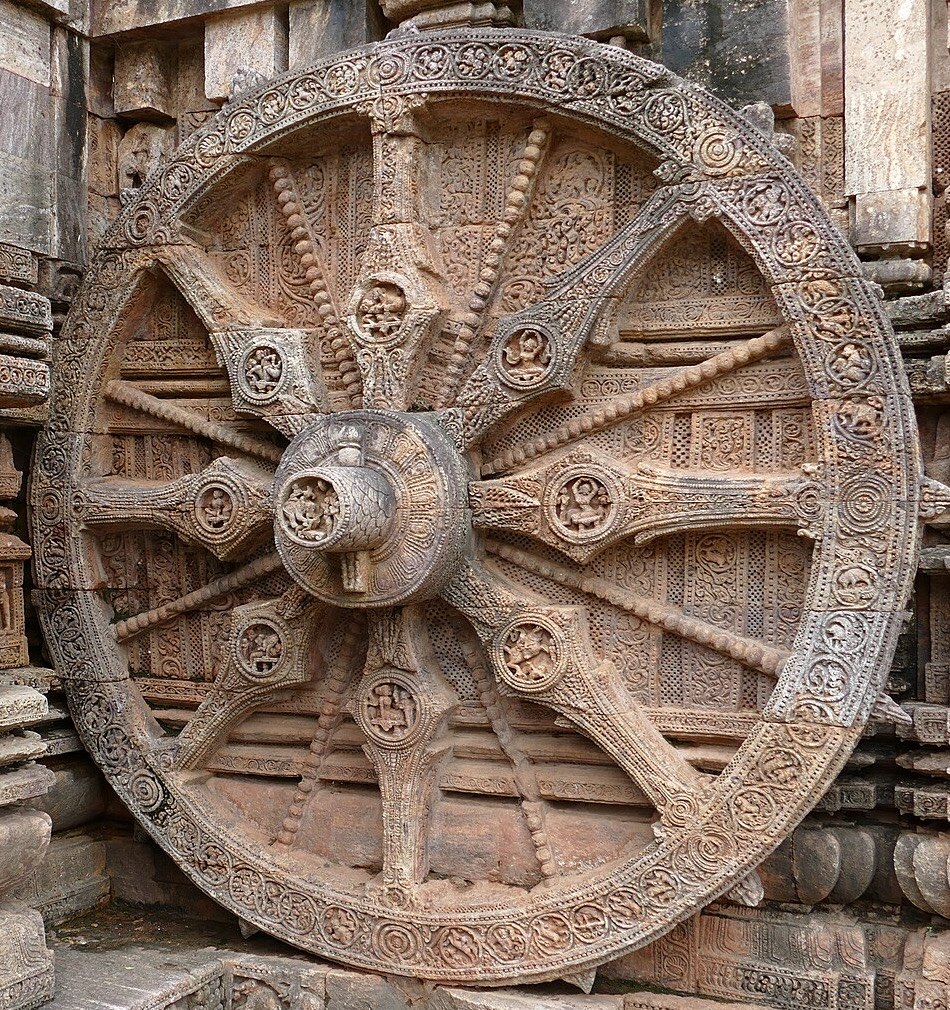
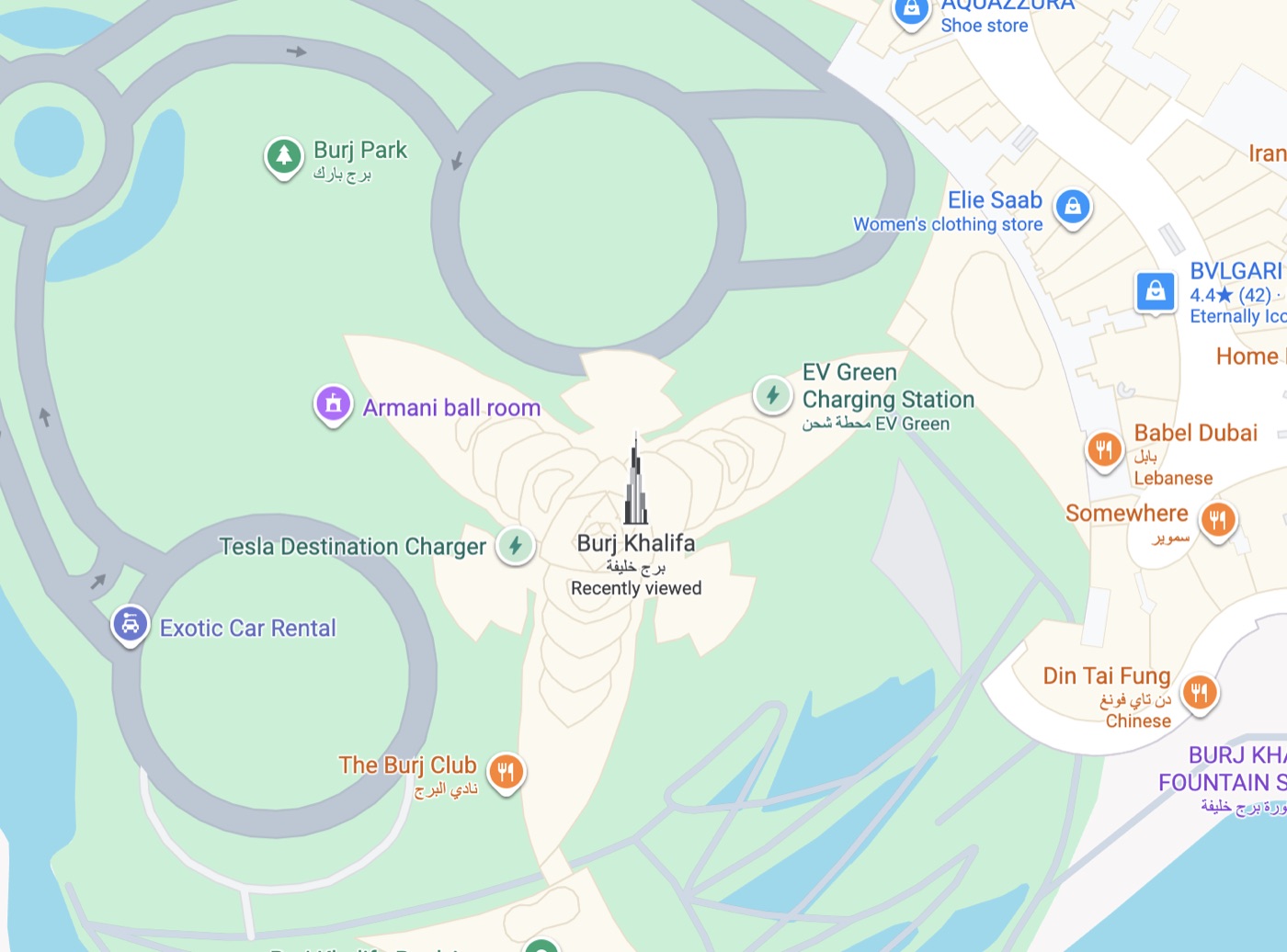
We saw this pattern in buildings too. When building and furniture making became cheap and commonplace, we lost the need for intricate tapestry, Gothic high-rises, or intricate sculptures of dancing deities on every square foot of a temple wall. It just became optional. Today's spectacle is the Burj Khalifa. From the ground it's one glass tower, visually plain, and awe-inspiring because of its scale and size, not because of intricacies on the outside. Engineering-wise it's a marvel, but visually, to my eyes, not as much. Its flower design only shows from the top, and for the people on the ground that view is out of reach, unless they pay an arm and a leg to fly up and see it. Thus by extension, software will still be needed, but where, in what form, and for how much?

The roles follow from that. In the short term, the job might be to shape anyone's AI agents so they use your tools or tech for their users, like I did for LIVE, or what an AI model designer does. Eventually, if we keep getting distant from code, it's a conversation expert, someone who can train how to communicate, be it with people or with machines. I can see us needing AI nutritionists en masse, people who mind what you feed your AI agents, since good tools, data and prompts work better than unstructured ones, along with AI behavioural experts, AI doctors, AI lawyers and AI liaisons. Highly specialised people will still do R&D and core engineering, the way there are still specialised carpenters and bespoke woodworkers. But the market is dominated by the likes of IKEA's prefabs, and the digital space is selling DIY tools and software the same way: make what you want.
For design practice, I am of the mind that we, as engineers and designers, will sell how to make, or what makes, a humanly great interface. We will still bring the humane parts to the interface, but they might be an information piece for the agentic systems where these agents live. Generative UI is one tool in that direction, but it's not the end.
The boon is only as good as the ask
None of this so far tells me what to do next, and that is why I keep coming back to asking. The Greek oracle at Delphi gave answers from its knowledge of the fates, but it was on the hero to ask the right question, and to know what to interpret.
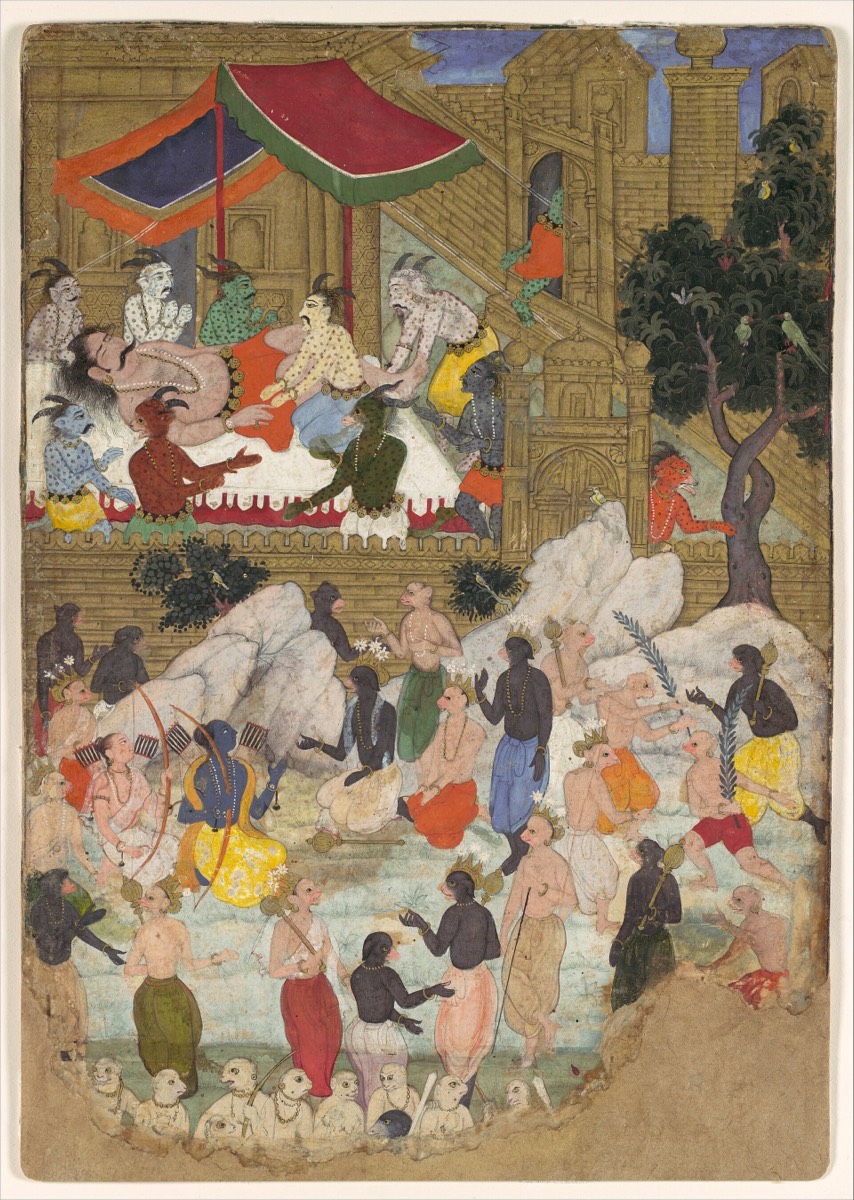
Indian mythology says the same. A character does years of penance until a god grants a vardan, a boon, and it's the asking that needs planning, since the boon will only be as good as the ask. Kumbhakarna meant to ask for Indra's throne and, tongue-tied, asked for endless sleep. Bhasmasur, Hiranyakashipu, Raktabeej, even Ravan, the list is endless, and all of them are shown as negative characters. I read it as the myths' way of saying that when your intention isn't aligned for good, or you ask without full preparation or knowledge, the boon turns ill. Greek myth has its own: King Midas asked that everything he touched turn to gold, and then he couldn't eat. The genie in the Arabian Nights is the same: you have to be precise about what you wish for.

With AI, the prompt is the ask. As builders, we shape how well that asking goes, for our agents and for the people using them.
Three questions
These are the three I keep asking as a builder: what we need to learn to build these new products, so that our agents and our users can ask better, and get better back.
_Who controls how interfaces behave, and how does that matter to the user?_ My colleague's bot already decides what counts as new in her inbox before she ever opens it.
_How much should a builder curate the tools, so the AI picks up the right signals from people and dishes out the right intervention or tool?_ That is the AI nutritionist's job, and it's what I did for LIVE, so that my colleagues never had to think about how it was configured.
_When everyone builds their own interfaces and workflows, how do we come together as a community, and where do we define common ground?_ My workshop participants each took LIVE their own way. Small kingdoms and fiefdoms dissolved into nation states, and nation states into global states, until specialisation and niches emerged, politics followed, tribalism took root, and we ended up in small fiefdoms and polarised states again. It has happened in the real world many times. In the digital world, for now, we are in the dissolving stage.
My diatribe here may not be for people like me who are in the thick of it, but for the people who will be here when the boundaries have dissolved. These questions may be academic, but they are real. They move me towards forming more opinions, and moving somewhere ahead.
Appendix
These are also my questions behind LEAD: the same three, academically oriented, and an active part of my research at LEI (draft 3, October 2026).
- Agency: How do learners exercise and experience control over their learning when an AI shapes the learning environment?
- Signals: Which learner behaviours can AI learning tools treat as evidence of learning, and how does that evidence shape their interventions?
- Interfaces: How do peer and guided learning in a course differ when learners use one shared, institution-provided interface versus interfaces they each modify or create?
References
- Josh Clemm, How We're Training a Figma-Fluent Editing Model, Figma Blog, October 29, 2026.
- Top engineers at Anthropic, OpenAI say AI now writes 100% of their code, Fortune, January 29, 2026.
- LIVE, my workspace for making videos with AI agents.
- LEAD, my research at LEI.
- Image credits: Cologne Cathedral, Yair Haklai, CC BY-SA 4.0; Konark Sun Temple wheel, Ankur Panchbudhe, CC BY 2.0, cropped; Priestess of Delphi, John Collier, public domain; The Awakening of Kumbhakarna, The Metropolitan Museum of Art, CC0; Burj Khalifa images from Google Street View and Google Maps, ©2026 Google.
Nishad Patne · November 2026
Spelling and grammar edited with AI agents. The ideas are mine alone and don't represent any institution I'm affiliated with.